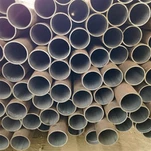
Steel plates are widely used metal materials essential across construction, machinery, automotive manufacturing, shipbuilding, and many other industrial sectors. They come in a wide range of types, grades, and specifications. Below is a detailed overview of the major categories and commonly used models of steel plates.
1. Types of Steel Plates(Classified by Thickness)
Steel plates can be divided according to thickness into thin plates, medium plates, thick plates, and extra-thick plates:
| Thin Plate | ≤ 4.5 mm | |||
| Medium Plate | 4.5 mm – 20 mm | |||
| Thick Plate | 20 mm – 60 mm | |||
| Extra-Thick Plat | ≥ 60 mm | |||
2. Classified by Manufacturing Process
Steel plates are also categorized based on their production process:
Hot Rolled Steel Plate: Produced by rolling at high temperatures; surface is rougher but strength is higher.
Cold Rolled Steel Plate: Rolled at room temperature; smooth surface, high dimensional accuracy.
Galvanized Steel Plate: Coated with a layer of zinc for enhanced corrosion resistance.
Pre-painted / Color-Coated Steel Plate: Coated with decorative and protective paint for superior aesthetics and corrosion resistance.

3. Classified by Application
Steel plates can be selected based on specific usage scenarios:
Structural Steel Plate: For building structures, industrial plants, bridges, etc.
Bridge Steel Plate: Specially designed for bridge construction.
Boiler Steel Plate / Pressure Vessel Plate: For manufacturing boilers, tanks, and pressure vessels.
Wear-Resistant Steel Plate: Used in heavy-duty or abrasion-intensive environments.
Corrosion-Resistant Steel Plate: Applied in chemical, marine, or harsh environments.
Common Steel Plate Grades and Specifications
Steel plate models are determined by material grade, intended application, thickness, width, and manufacturing standards. Below are several widely used grades:
1. Q235B Steel Plate
Q235B is a low-carbon structural steel featuring good toughness, weldability, and formability.
Applications: construction, bridges, machinery parts, vehicles, shipbuilding.
Typical Thickness: 1.2 mm – 60 mm
Width: varies by production standard and customer requirement.
2. Q345B Steel Plate
Q345B is a low-alloy, high-strength structural steel with higher tensile strength and excellent toughness.
Applications: high-strength structural components, bridges, high-rise buildings, vehicles.
Typical Thickness: 4 mm – 100 mm
Width: customizable based on production standards.
3. SPCC Steel Plate
SPCC is a cold-rolled carbon steel plate with a smooth surface and high precision.
Applications: parts requiring high surface quality, including home appliance panels and office furniture.
Typical Thickness: 0.3 mm – 3.0 mm
4. SGCC Steel Plate
SGCC is a galvanized carbon steel plate with excellent corrosion resistance.
Applications: exterior wall panels, roofing systems, and corrosion-resistant components.
Typical Thickness: 0.18 mm – 3.0 mm
In addition to the grades listed above, many other steel plate types-such as wear-resistant plates, corrosion-resistant plates, and stainless steel plates-are available for different industrial applications. Selecting the right steel plate depends on the specific working environment and technical requirements.
As a fundamental industrial material, steel plates play a critical role across numerous sectors. Understanding the classification and specifications of steel plates helps ensure proper material selection, performance reliability, and cost efficiency in various engineering applications.