


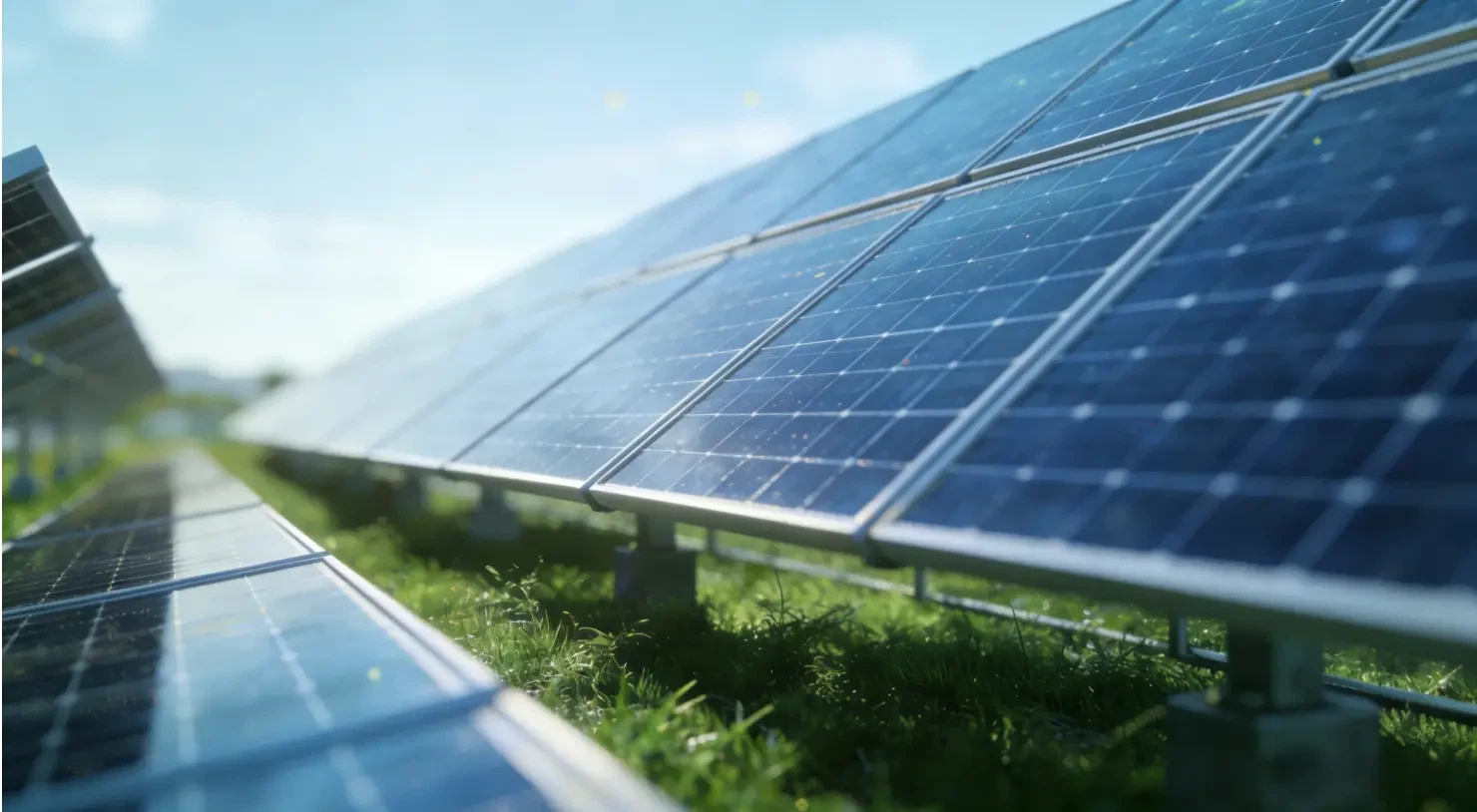
Solar Panel Frames and Mounting Structures:
Steel is widely used to fabricate the frames that hold photovoltaic solar panels in place. Steel frames and mounting systems are used for rooftop solar installations, solar farms, and ground-mounted systems.Support Systems for Solar Thermal Collectors: Steel structures are employed to support the solar thermal collectors and ensure they remain in optimal positions to absorb sunlight effectively.
Piping for Solar Thermal Systems:
Steel pipes are commonly used for transporting heated fluids in solar thermal systems. They must withstand high temperatures and pressure while maintaining efficient heat transfer.Solar Inverter Enclosures: Steel is also used to manufacture the enclosures for inverters, which are essential for converting the DC (direct current) electricity generated by solar panels into AC (alternating current) electricity for use in homes or the grid.
How Steel Pipes Are Used in the Solar Power Industry
Steel pipes are used in the solar power industry primarily for solar thermal systems and concentrated solar power (CSP). They transport heated fluids from solar collectors to storage tanks, heat exchangers, or turbines for electricity generation. Steel pipes are durable, corrosion-resistant, and can withstand high temperatures and pressure, making them ideal for heat transfer in these systems. They are also used in solar district heating and solar cooling systems, ensuring efficient energy distribution and storage.
Types of Steel Pipes Used in the Solar system
Different types of steel are chosen depending on the specific needs of the solar system:
Carbon Steel: Used in mounting and structural components, and in systems where the fluid temperature and pressure are moderate.
Stainless Steel: Often used for its corrosion resistance, especially in coastal areas or systems exposed to harsh weather conditions. It is used for piping in systems that carry high-temperature fluids.Galvanized Steel: Steel coated with zinc to prevent corrosion, used in solar collector mounting structures or in environments where exposure to moisture is moderate.


